
Dissertation
Italian Leather / Skills and Techniques Cultivated in that Land
Within the fashion industry in Europe, Italy in particular has a storied tradition of manufacturing fine fabrics and leathers. There are many small and medium sized manufacturers that are family businesses alongside small workshops that are operated by just a few people.
| Category: | Material |
|---|
| Date: | 2026.01.06 |
|---|
| Tags: | #italianleather #leather #ss26 #visvim |
|---|
Skills and Techniques Cultivated in that Land
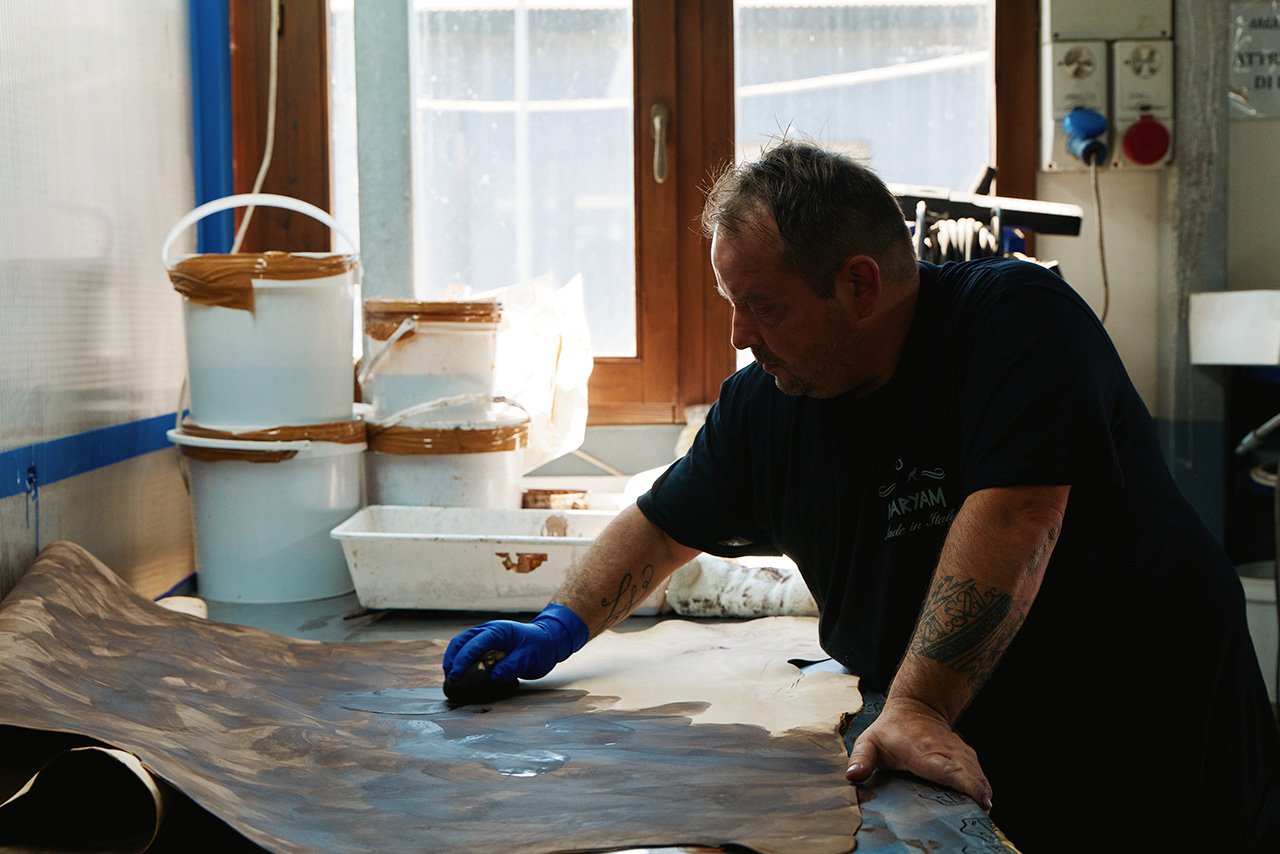
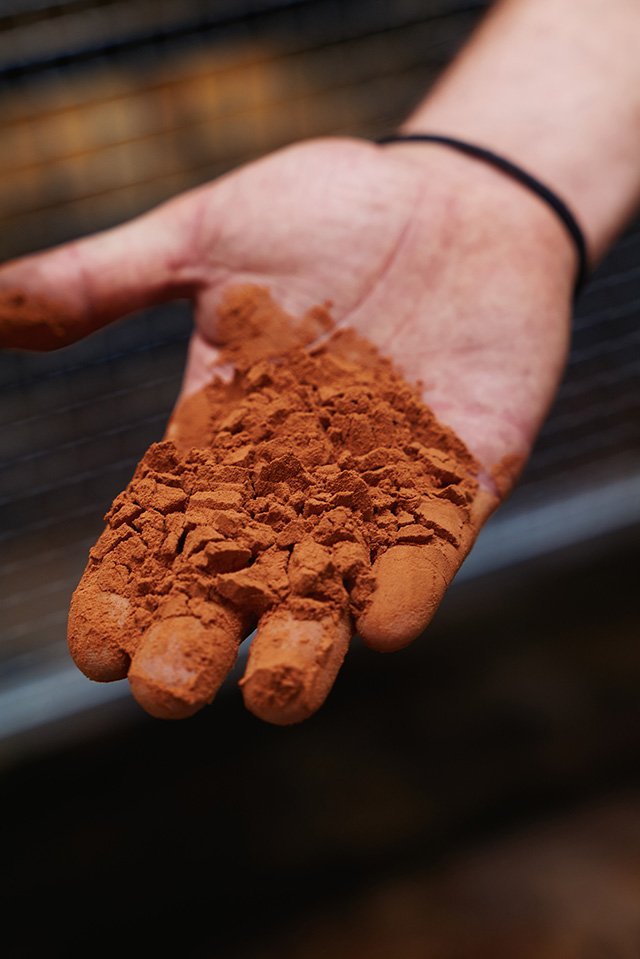
About 20 years ago, I was introduced to a leather workshop in Tuscany, Italy by an acquaintance who was knowledgeable about leather. When I first visited, I brought several vintage archival leather pieces that I was very fond of and showed the people at the workshop explaining to them that "I want leather with this same texture," and they all told me the same thing, "This is vegetable tanned." This traditional method of tanning leather with tannins made strictly from natural plant-based ingredients had been replaced with chrome tanning, which utilized chemicals agents to tan leather more efficiently. Although this tradition was becoming more obsolete, this special technique was still being practiced in some of these workshops in Italy.
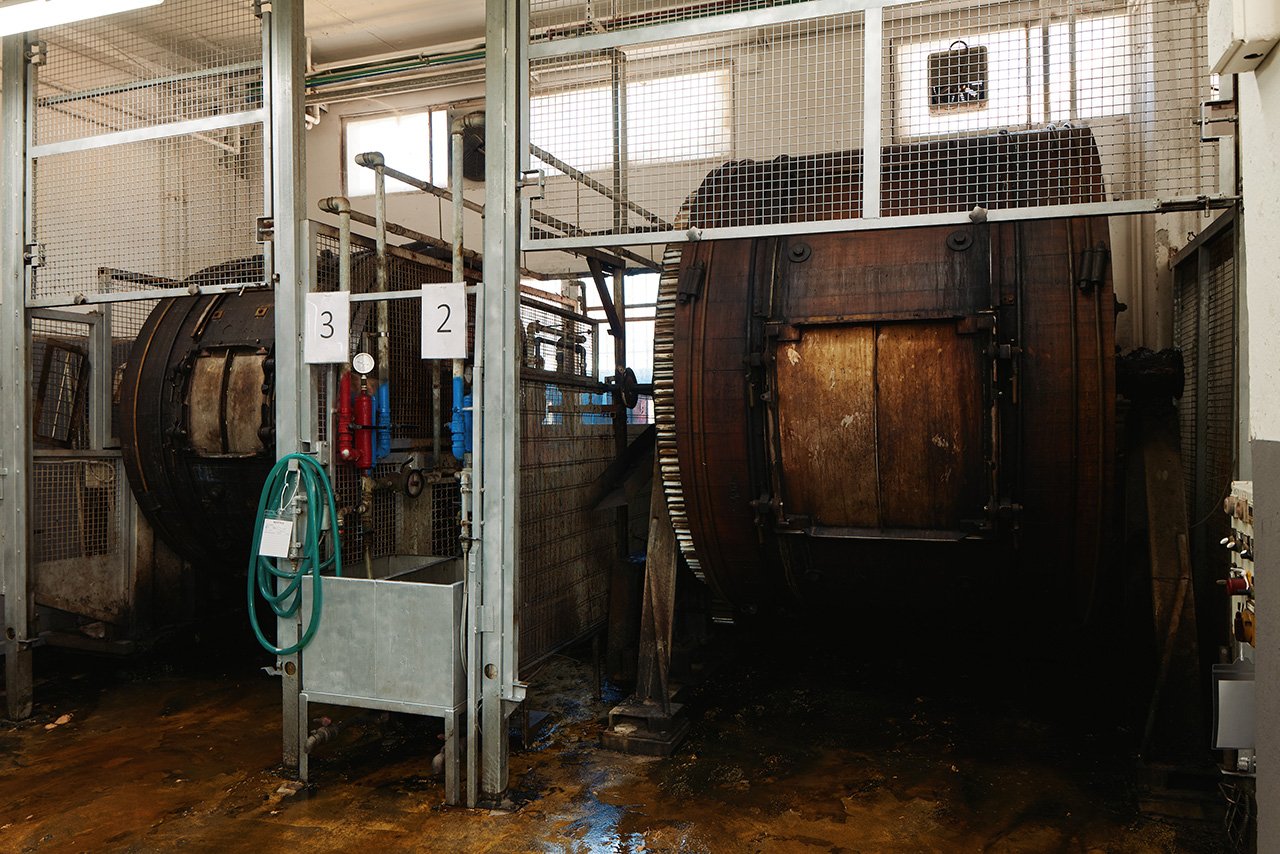
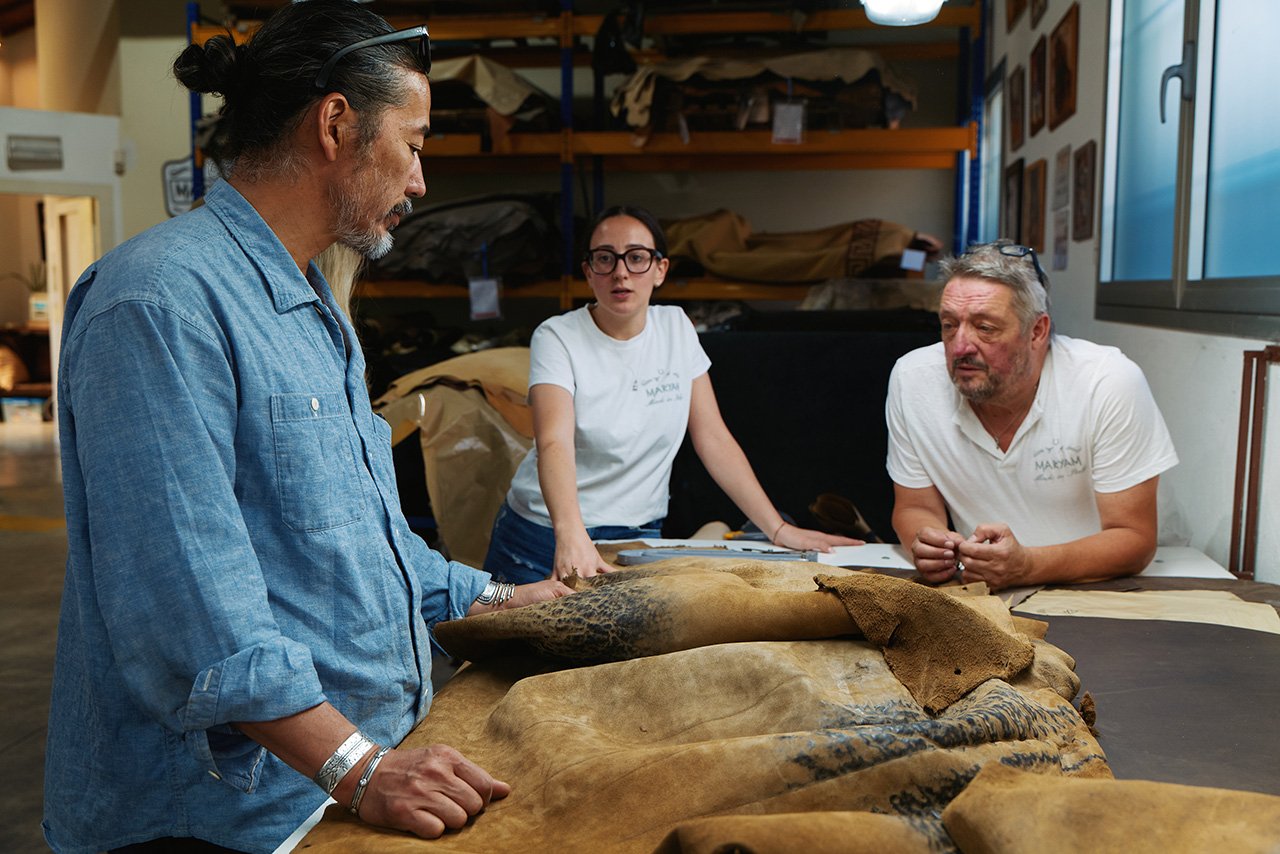
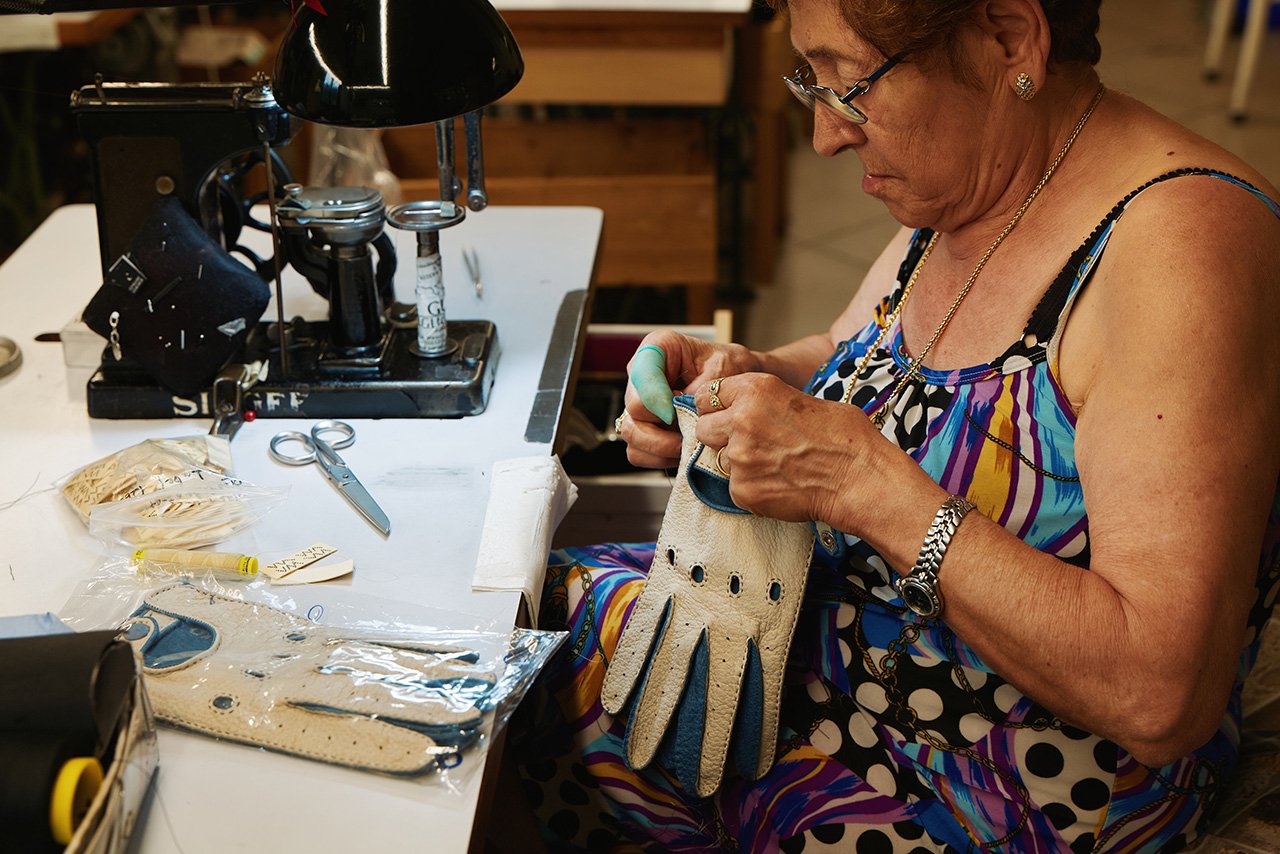
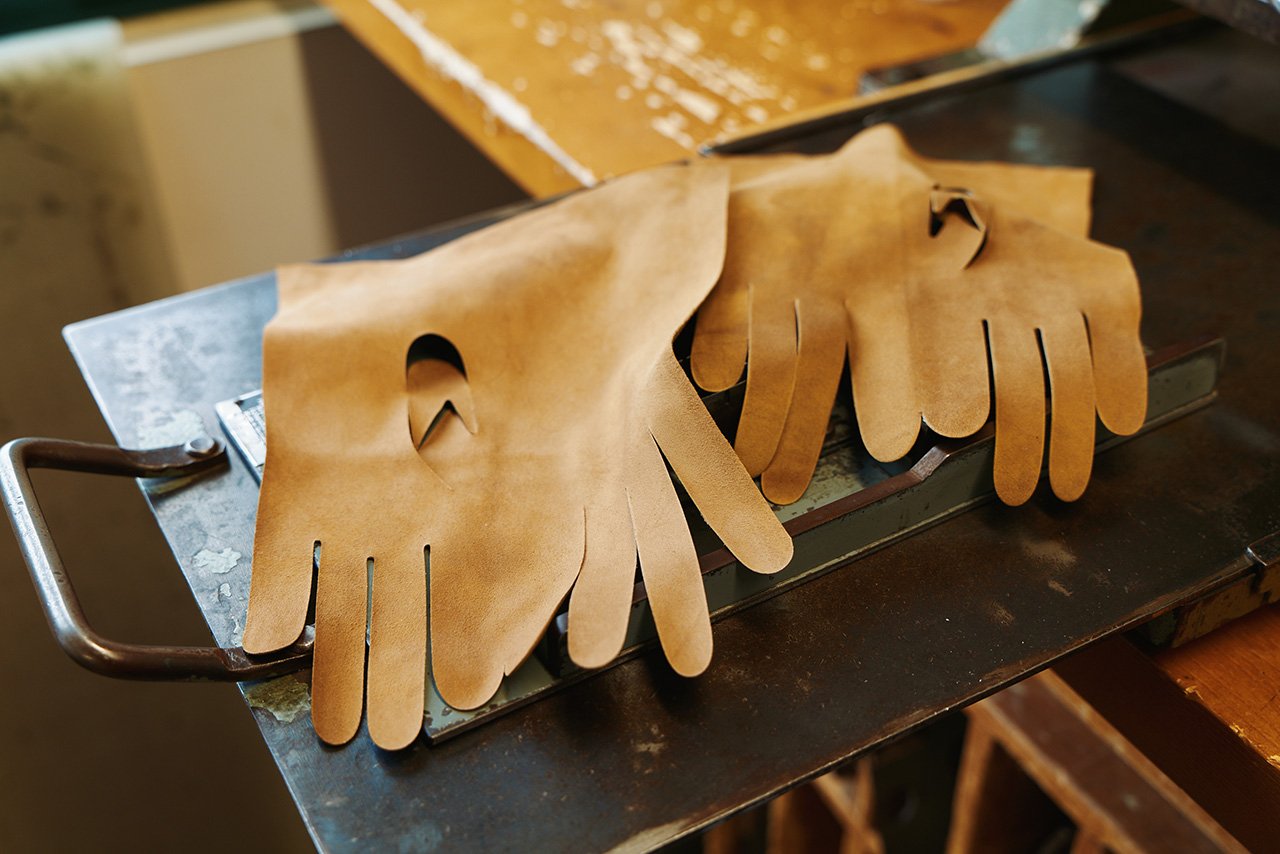
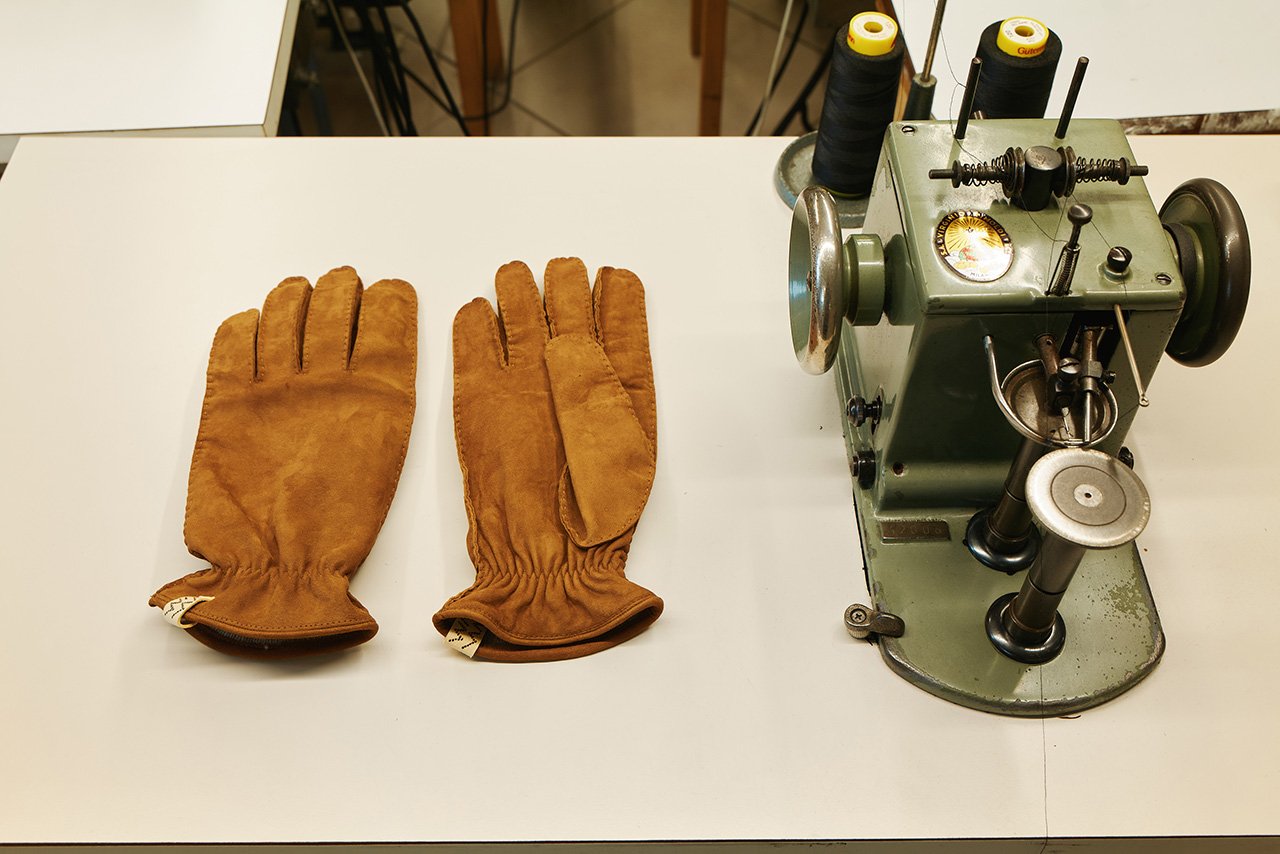
Within the fashion industry in Europe, Italy in particular has a storied tradition of manufacturing fine fabrics and leathers. There are many small and medium sized manufacturers that are family businesses alongside small workshops that are operated by just a few people. It's easy to sense that craftsmanship has continued to be passed down through the generations there. Many of these workshops are centered in or around Florence in Northern Italy, and we have a long relationship with many of them, which include tanneries, sewing and assembly facilities, as well as a workshop that specializes in making gloves. They all help continue to make products for us. Italian craftspeople have an extensive history creating leather products and are very skilled in handling leather as a material as their depth of knowledge and skills indicate. Although the broader term is commonly referred to as vegetable tanning, the end results can vary greatly depending on the type of lye that is utilized, which includes mimosa or olive. Of course, there are many different types of leather, including a thick and sturdy horse rear leather, a soft, supple, yet strong peccary leather (a medium sized, even toed cloven hoofed animal similar to a boar), and also a kangaroo leather; all which have their own characteristics and different requirements for handling.
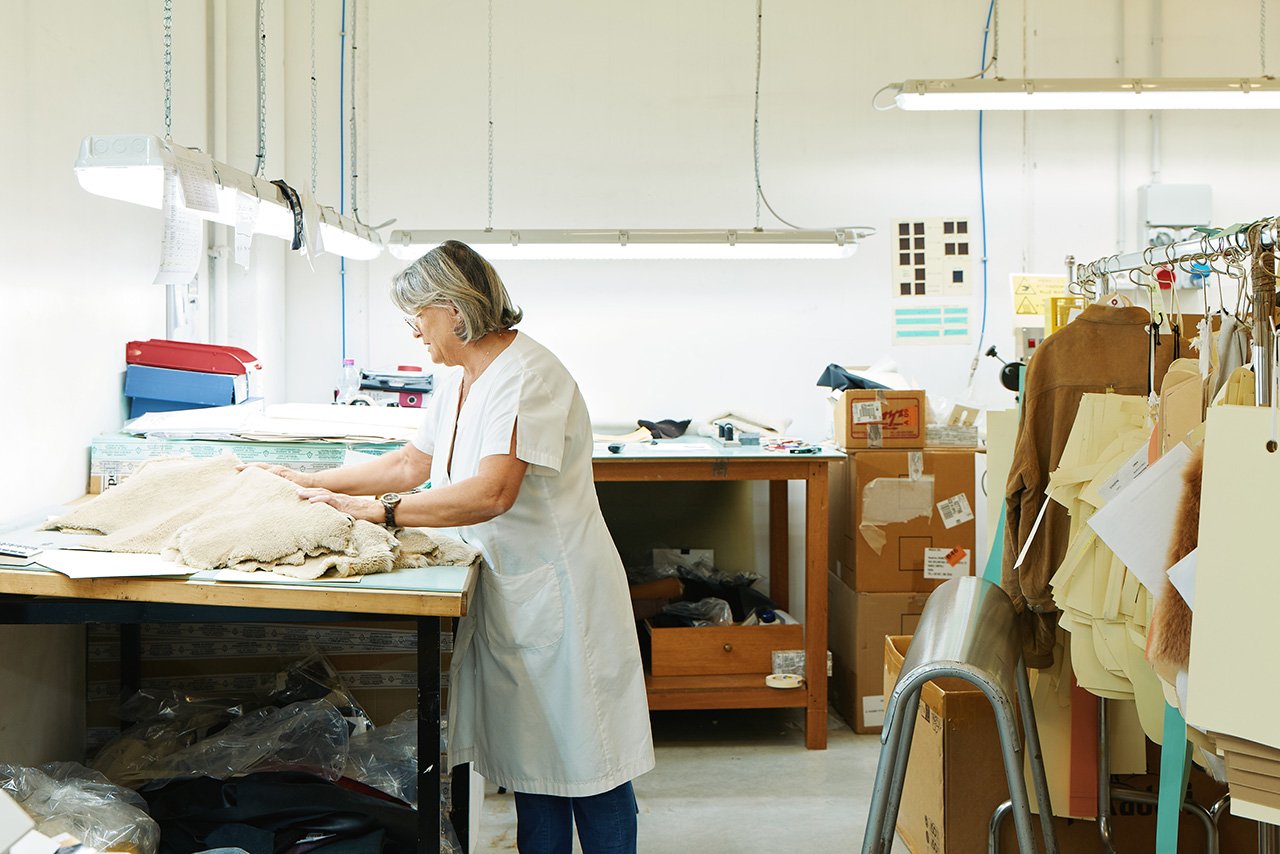

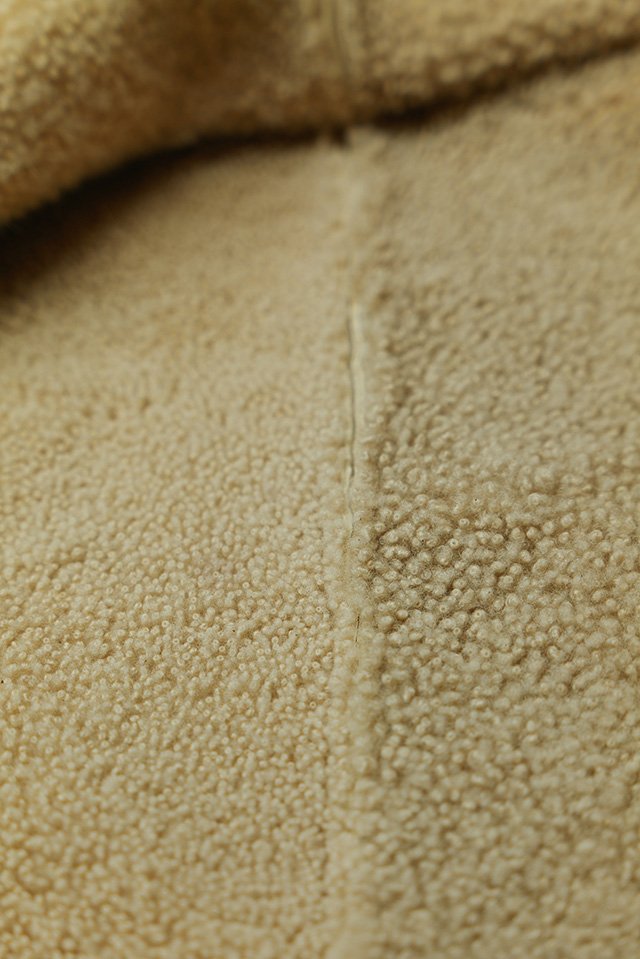
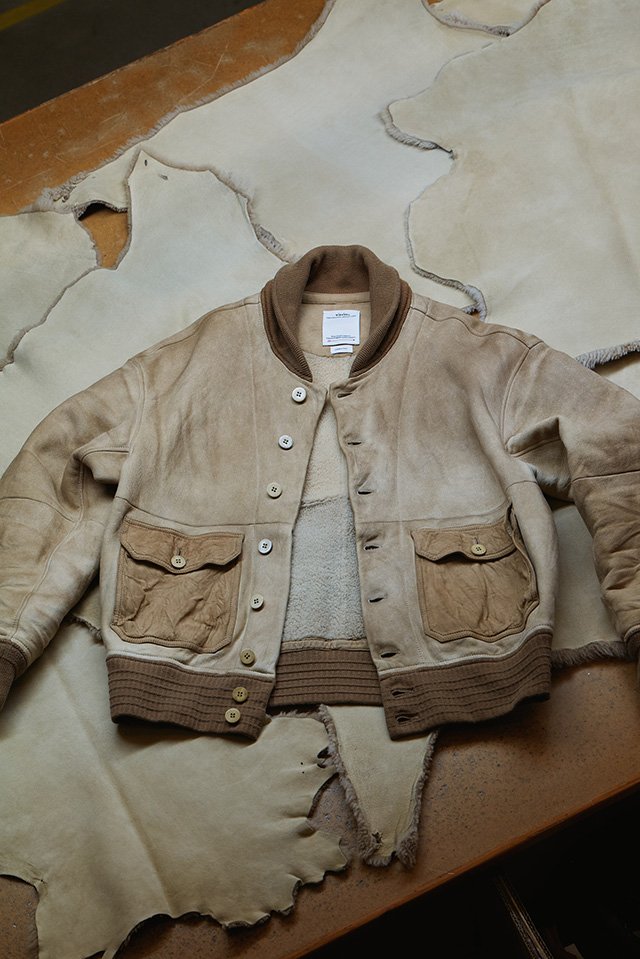
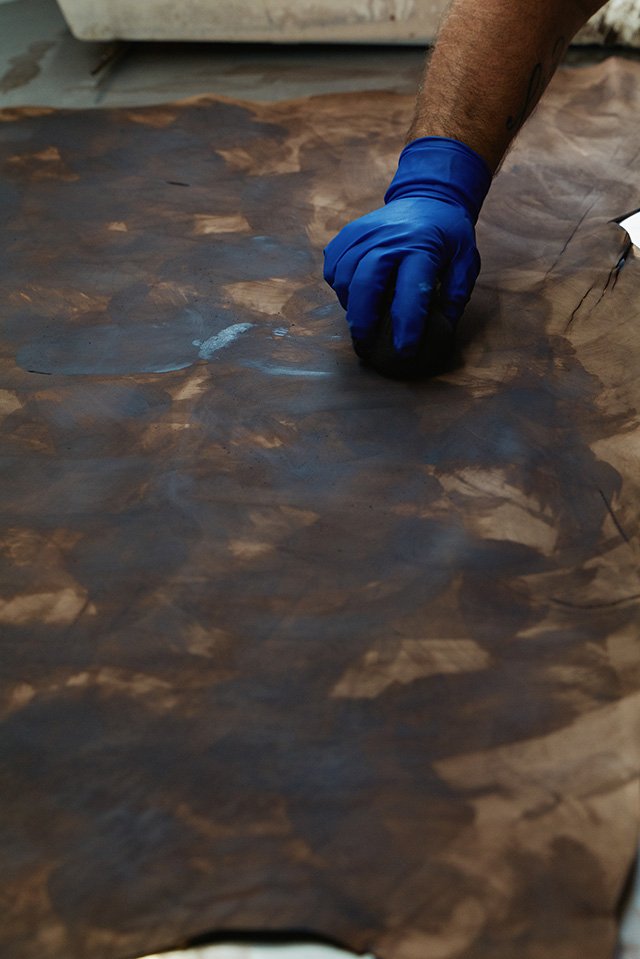
It is not rare for us to request a rather unique and unconventional method to be incorporated into the work these craftspeople conduct for us who have inherited these traditional techniques from their elders. The beautifully finished leather from time to time might get washed with water, we may apply pigment to the hide...a variety of experiments are applied until we can achieve the desired aesthetic appearance. There was a time I discovered a type of leather that is often discarded as part of the production process for cordovan that is technically considered to be "B-grade" and therefore typically not applied for use on any kind of products, however I thought it had a really cool feel to it so I requested the workshops to make something using that exact leather. Although our ideas may go against their "conventional wisdoms", these craftspeople are seemingly open to new ways of thinking and take on our suggestions with an enthusiasm to try different things together. We will even bring leather jackets that are constructed in Italy to a factory in Japan that specializes in finishing by washing to complete a product. This is because Japan has a long history of finishing and processing where they have developed a plethora of special techniques. There is of course a type of leather that can only be produced in certain tanneries in the United States as well. Each place has its own culture or tradition, alongside techniques that have been nurtured there, and it is my hope to utilize these special skills by discovering each other so we can continue to create products together by developing long lasting relationships.
Text: Kosuke Ide
Photo: Keisuke Fukamizu
Related Posts