

Dissertation
visvim Spring and Summer 2026
For several years now I have been exploring the possibilities of silk once again. Silk comes from extremely fine fibers spun by silkworms and is characterized by its lightness that is supple and pleasant to the touch. It also has a beautiful luster and is highly breathable making it a material that is cool in the summer and warm in the winter.
| Category: | Philosophy |
|---|
| Date: | 2025.12.23 |
|---|
| Tags: | #areturntosilk #ss26 #visvim |
|---|
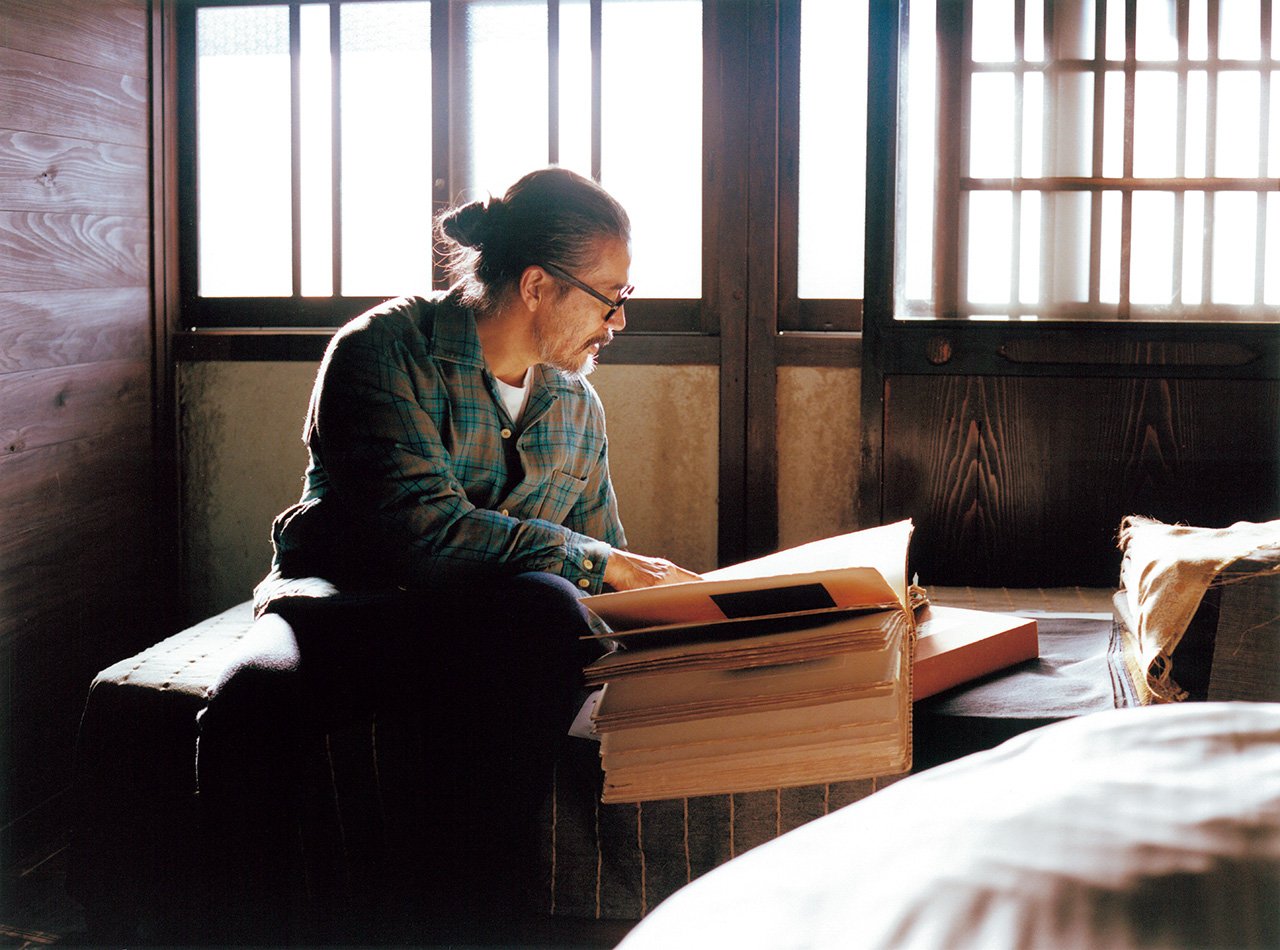
A Return to Silk
For several years now I have been exploring the possibilities of silk once again. Silk comes from extremely fine fibers spun by silkworms and is characterized by its lightness that is supple and pleasant to the touch. It also has a beautiful luster and is highly breathable making it a material that is cool in the summer and warm in the winter. In Japan it has a long history of being used as a material applied for use on kimonos, such as tsumugi. Silk fabrics have been woven for a long time though in various places across the country including the Tango area of Kyoto Prefecture, Tsuruoka in Yamagata Prefecture, and Kiryu in Gunma Prefecture.
Silk is a natural material with excellent utility; however, the manufacturing process is complicated, time consuming, and expensive so the demand for it has been in decline because of changes in peoples' lifestyles brought on by the modernization of our society. Starting in the 1960's and into the 1970's, synthetic f ibers such as nylon and polyester were developed; these were more efficient to produce and began to replace silk.
This was especially true for sporty garments like Coach Jackets that made use of taffeta and other materials (a fabric that has a dense plain weave), which consisted of synthetic fibers, and this is just one of the typical styles associated with this shift in material usage.
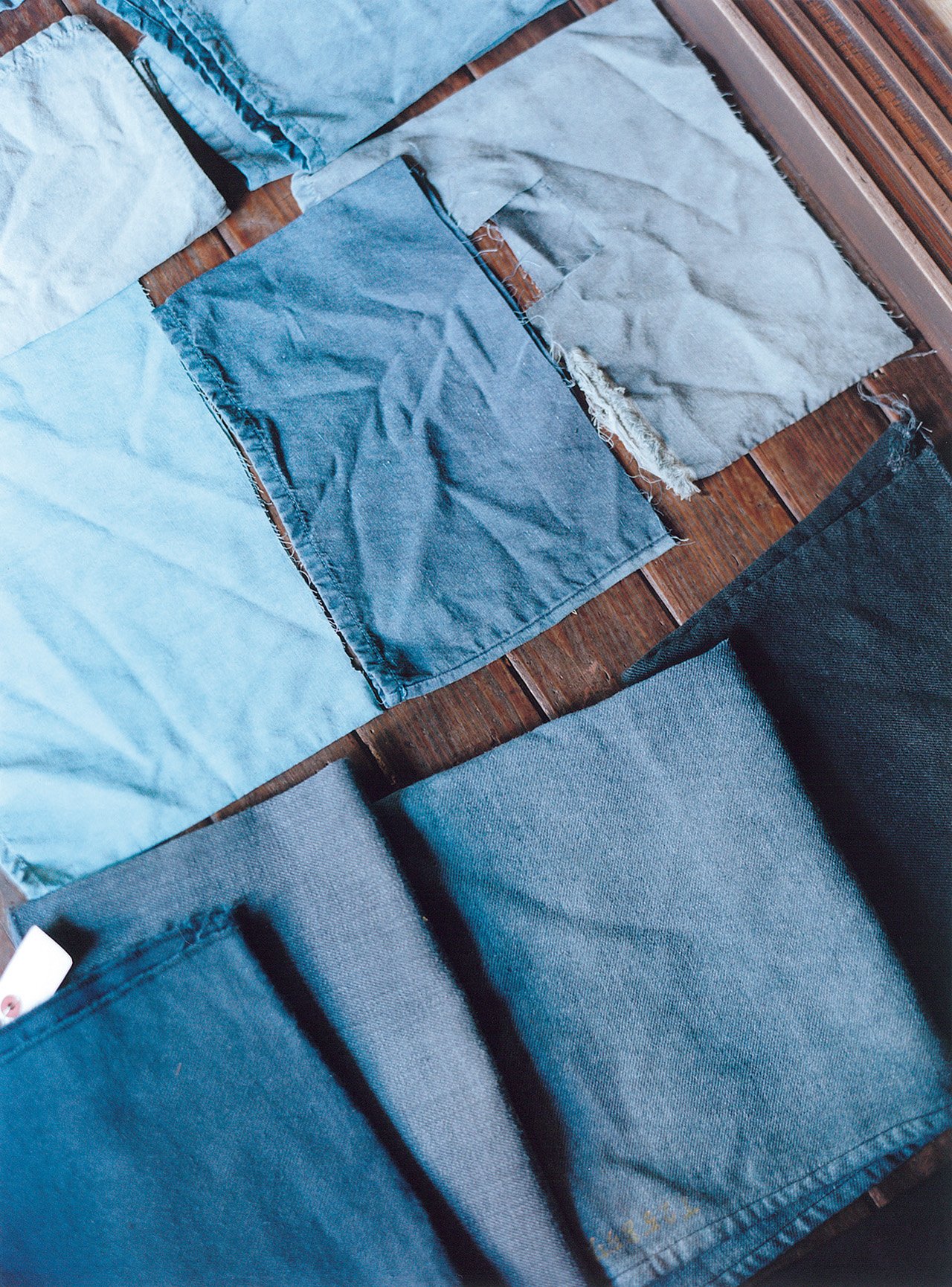
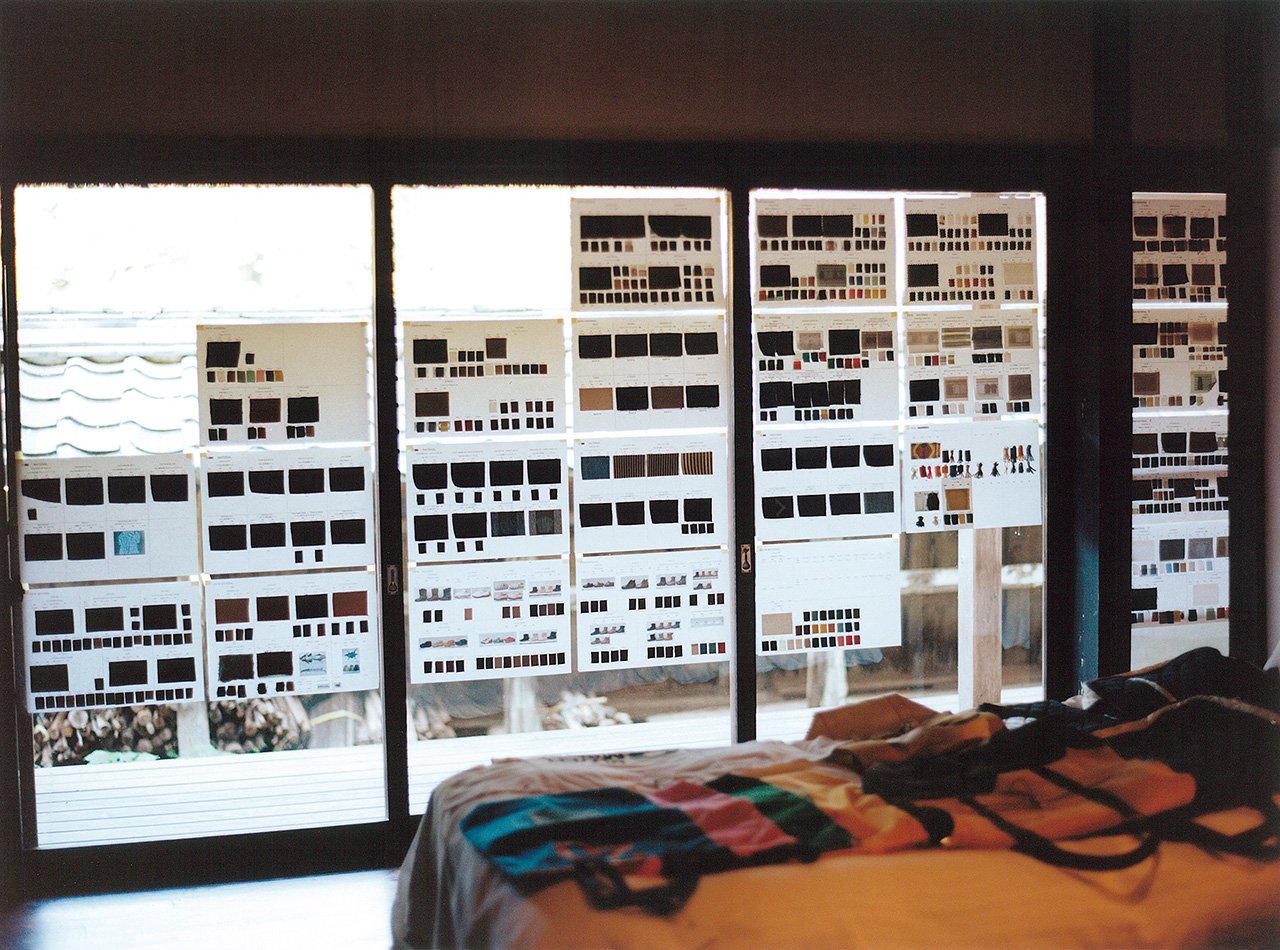
In contrast to this previously described change we are actually attempting to do the opposite by making these items with a silk material instead of the heavily utilized synthetic fibers we have become accustomed to. From the perspective of economic rationality, nylon has become the mainstream choice today, however if you can imagine taking it back to its roots, which in this case is silk and reconstructing garments to make something totally different. Through extensive trial and error, we have been able to create brand new products that extract the beauty and functionality inherent in natural materials.
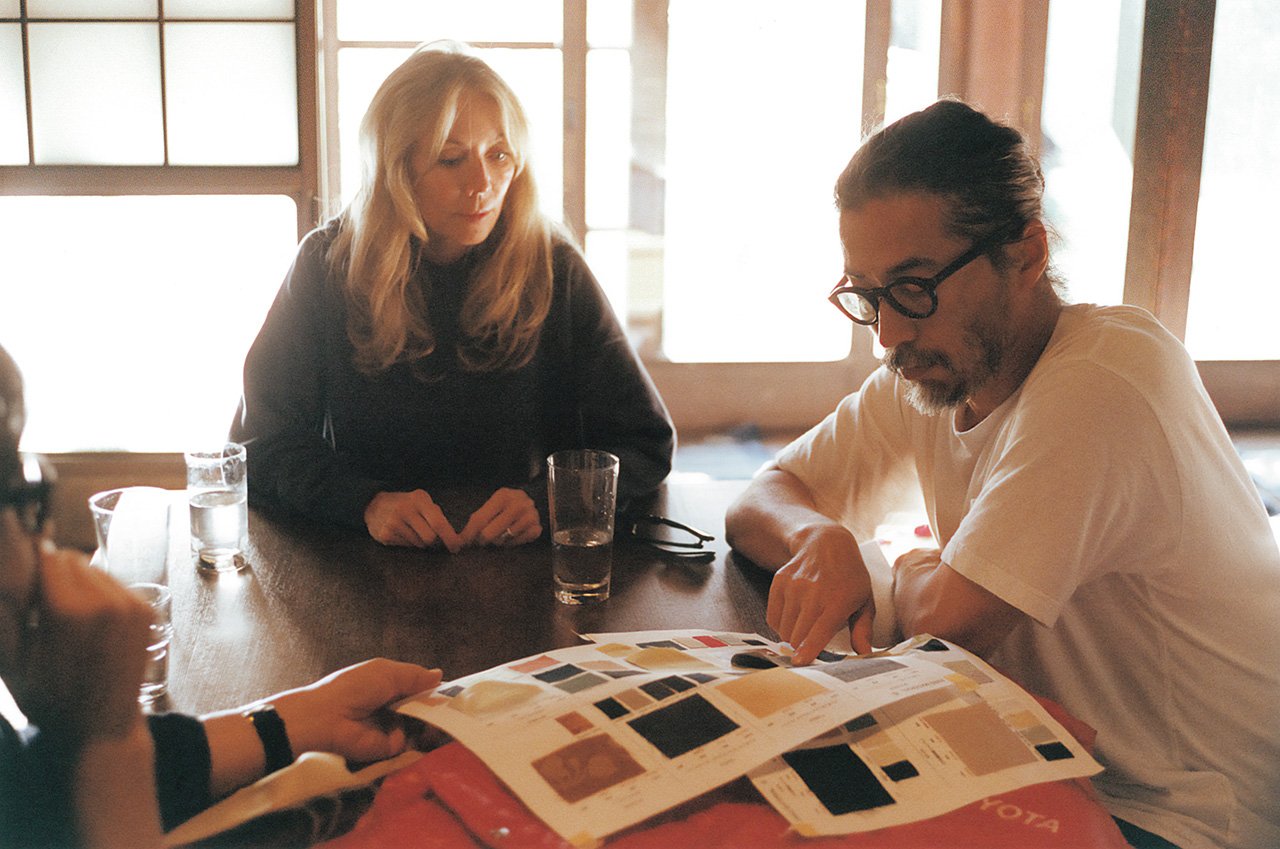
The ability to create this kind of product is made possible of course thanks to the existence of Japan's history and background in silk textile production. When I was a child, people still wore kimonos as everyday clothing; the production of silk textiles was still significant, and the industry itself was vibrant. However, with the changing times customs like wearing kimonos experienced rapid decline and came to be considered more "formal wear" that is only worn for special occasions that included weddings and graduation ceremonies. Although the overall production volume has shrunk and areas that produced regularly have declined, there are still some people left in Japan who continue to produce silk by utilizing the advanced and sophisticated techniques cultivated over its long history of production. When you take a look around the entire world there are very few places where this sort of manufacturing with such long history can continue to live on as an independent industry. We try our best to connect the techniques and culture passed down by our predecessors to the current market without losing track of its essence. I think about this almost every day, and whether that is the role we can currently play in the historical timeline of silk production.
Dissertation on Completely Harmonious
visvim Spring and Summer 2026
Text: Kosuke Ide
Photo, Movie: Keisuke Fukamizu

Related Posts